
Thought For The Day – Thursday 19th March 2026
Eid Preparations
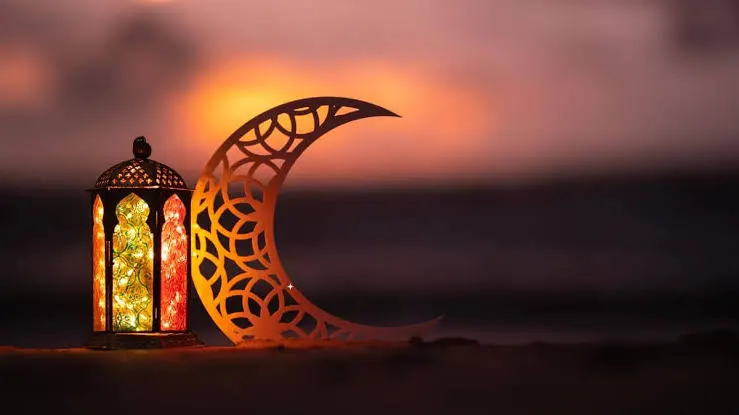
In Islam, preparations are very much under way for the festival of Eid al-Fitr.
This festival will commence today or tomorrow, depending on when the new moon is sighted in the world. The festival will last for one to three days.
Eid al-Fitr, عيد الفطر in Arabic, means literally “The Festival of Breaking the Fast”.
At Eid al-Fitr, the greeting “Eid Mubarak” will be given. This means “Blessed Eid”. It is a festival of faith, family, and fellowship.
This festival marks the end of Ramadan, the holy month of Islam (a religion which means peace and obedience to Allah), where Muslims resiliently and sacrificially fast (Sawm), with no eating or drinking, in daylight hours. Muslims also particularly focus on Allah and reading the Qur’an in this time of devotion.
Islam is a faith of compassion and understanding. Pregnant and breastfeeding women, the ill, the vulnerable, the elderly, and the young are not expected to fast. Ramadan remembers the gift of the Qur’an, God’s Word, Muslims believe, from Allah through the Angel Jibril to Prophet Muhammad (Peace Be Upon Him). The revelations began on “The Night of Power” or “The Night of Glory” in Ramadan, remembered this year on the 15th of March, and lasted twenty-two years. Ramadan also remembers, and empathises with, the poor and those in need. On “The Night of Power”, many Muslims will stay up all night, praying for forgiveness, and Angels, the Messengers of Allah, visit the earth.
Eid al-Fitr is a wonderful communal celebration. This will be seen throughout the U.K., and around the world. Muslims rise early, bathe and pray. Cards and gifts are exchanged. Forgiveness is sought and given. Homes are decorated, new clothes worn, food shared, mosques visited, the sermon of the imam listened to. Allah is thanked, specifically for the sacred gift of the Qur’an.
Holy days are holidays.
Eid al-Fitr is also an important opportunity to think of, and act for, those in need. At Eid, if Muslims can afford to donate, charity (Zakat or Zakah), one of The Five Pillars, like fasting, is given directly to a Muslim charity or collected at a mosque. “Whoever saves a life, it will be as if they saved all of humanity”, states Qur’an chapter 32.
There are two Eids, or to be more faithful to the Arabic Ayad, in Islam. Eid al-Adha, celebrated in very similar ways to Eid al-Fitr, which will occur at the end of May this year, remembers the end of the Hajj (pilgrimage to Makkah) and the faith in Allah of Prophet Ibrahim (Abraham).
One of the most beautiful aspects of Eid al-Fitr, and Eid al-Adha, is Muslims visiting the graves of their loved ones who have passed away. Everyone is always remembered. Muslim beliefs in Allah, and life beyond death, give guidance, hope, inspiration, peace, support, and values.